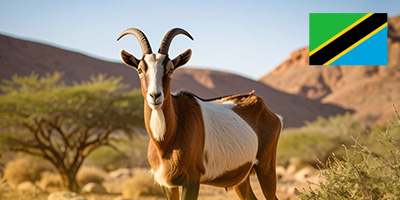
Camel sacrifice holds great significance, both religiously and in terms of food, especially in Africa. Sacrificed with intentions such as vows, healing, and charity, camel sacrifices provide food for dozens of families and bring joy to the region during Eid.
How Are the Sacrifices Performed?
The camels are slaughtered according to Islamic customs, in full compliance with the donor's intention.
The meat is distributed to truly needy families in the region.
In appropriate cases, the meat is cooked on-site and served as a hot meal.
This type of sacrifice is a special act of charity with a significant impact, but difficult to reach.
Why Ethiopia?
In Ethiopia, Muslim communities, especially those living in rural areas, struggle with deep poverty. These distributions to villages where meat consumption is almost nonexistent become a blessing that will be remembered for months.
An Islamic Perspective
The camel is an important part of the sacrifice ritual in Islamic history. The Prophet Muhammad (peace be upon him) personally sacrificed a camel and taught this practice to his followers.
A camel sacrifice is a powerful demonstration of gratitude, loyalty, and a sense of responsibility towards the Muslim community.